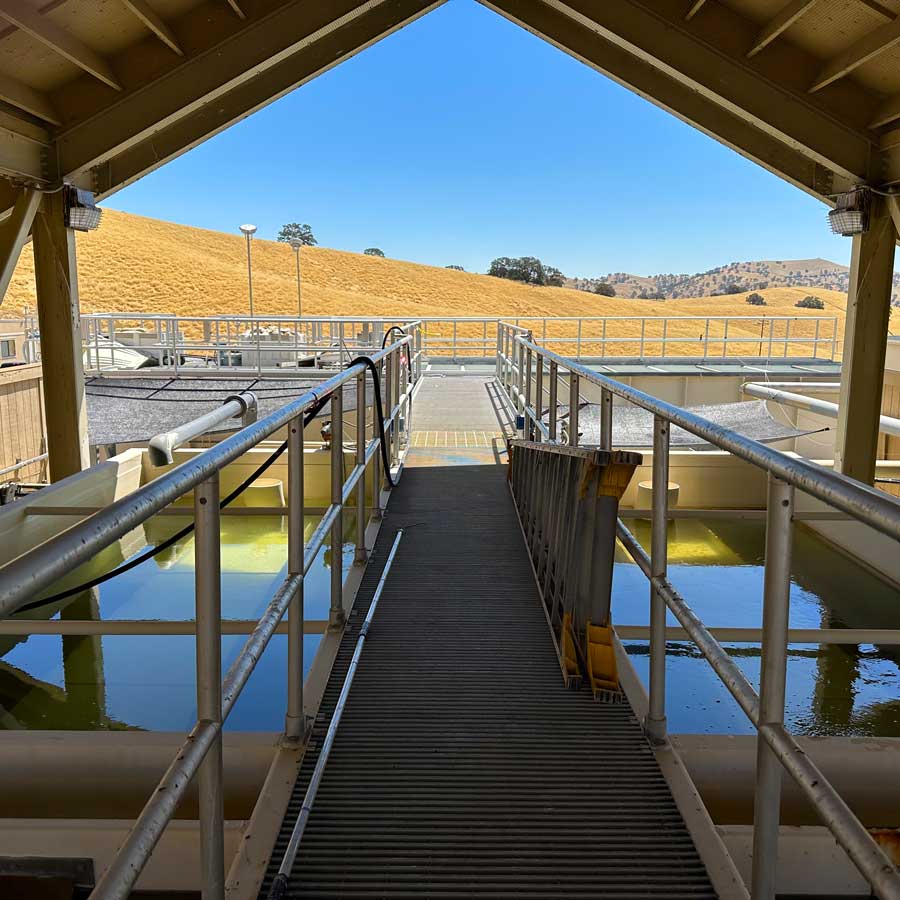
Western Hills Water District – Frequently Asked Questions (FAQs)
1. What is the Western Hills Water District?
The Western Hills Water District (WHWD) is a California Special District that provides potable water, wastewater collection, storm drainage, and related public services to the Diablo Grande community.
2. Who governs the District?
WHWD is governed by a five-member Board of Directors elected by the registered voters of the District.
3. Why have water rates increased?
Water rates have increased primarily due to rising wholesale water costs, infrastructure maintenance, debt obligations inherited from previous developers, regulatory compliance, and the need to establish adequate financial reserves.
4. Is WHWD making a profit from the water rate increase?
No. As a public agency, WHWD does not operate for profit. Revenues are used to operate, maintain, repair, and improve the water system.
5. Why is our water so expensive compared to nearby cities?
Unlike larger cities with tens of thousands of customers, WHWD serves a relatively small customer base, meaning fixed operating costs are shared among fewer ratepayers.
6. Where does Diablo Grande’s water come from?
WHWD purchases wholesale water and treats it before delivering it to customers. Recent agreements have restructured the District’s long-term wholesale water relationship.
7. Has the District resolved its dispute with Kern County Water Agency?
Yes. In 2026, WHWD and Kern County Water Agency announced a long-term settlement that eliminated approximately $14 million in disputed debt and established a new wholesale water agreement.
8. Will water rates now decrease?
The District expects future rate adjustments to reflect actual operating costs. While the wholesale agreement significantly improves the District’s financial position, ongoing infrastructure, maintenance, and reserve funding still require adequate revenue.
9. Why can’t the District simply drill wells?
Groundwater availability, water quality, environmental regulations, and permitting requirements make developing new wells a lengthy and expensive process.
10. Is our drinking water safe?
Yes. WHWD regularly tests drinking water and complies with California drinking water regulations.
11. How often is the water tested?
Water quality is monitored continuously and tested according to State Water Resources Control Board regulations.
12. What happens if there is a major water main break?
District personnel respond immediately to isolate the break, restore service, and complete repairs as quickly as possible.
13. What should I do if I notice a water leak?
Contact the District immediately using the emergency phone number posted on the District’s website. Contact form here.
14. Why are there watering restrictions?
Outdoor irrigation restrictions help conserve water, reduce operating costs, and maintain adequate storage for fire protection.
15. Why can’t residents attend every Board discussion?
California’s Brown Act requires Board discussions and actions to occur during properly noticed public meetings.
16. Are Board meetings open to the public?
Yes. All regular Board meetings are open to the public except for legally authorized closed-session items.
17. Where can I find Board agendas?
Meeting agendas and supporting documents are posted on the District’s website before each meeting.
18. What is Proposition 218?
Proposition 218 establishes the legal process California public agencies must follow before adopting or increasing property-related fees such as water rates.
19. Can residents protest future water rate increases?
Yes. California law provides a formal written protest process during Proposition 218 proceedings.
20. What happened to the $14 million debt?
The debt was resolved through a negotiated settlement between WHWD and Kern County Water Agency as part of a broader restructuring agreement.
21. Does eliminating the debt mean water is now free?
No. The District still pays for every acre-foot of water it purchases and remains responsible for operating and maintaining its facilities.
22. Who was responsible for creating the financial problems?
Many of the District’s historical financial challenges originated from obligations created during prior ownership and development of Diablo Grande.
23. What is the Community Facilities District (CFD)?
The Diablo Grande Community Facilities District finances certain public improvements through special tax assessments and operates separately from WHWD’s utility operations.
24. Why did the CFD file Chapter 9 bankruptcy?
The filing was intended to address financial challenges affecting the CFD and protect its assets while pursuing
long-term solutions.
25. Is the bankruptcy the same as the Water District?
No. The Chapter 9 filing involved the Community Facilities District, not the Western Hills Water District itself.
26. What improvements has WHWD made recently?
Recent efforts include resolving wholesale water issues, improving financial stability, upgrading infrastructure, enhancing public communications, and strengthening emergency preparedness.
27. How can residents stay informed?
Residents are encouraged to visit the District website, subscribe to alerts, attend Board meetings, and review official public notices. Western Hills Water District website
28. How can I contact the Board?
Residents may contact the District office by phone, email, or submit comments during Board meetings.
29. How can residents help reduce future costs?
Conserving water, promptly reporting leaks, supporting long-term infrastructure investments, and participating in public meetings all contribute to maintaining a sustainable utility system.
30. What is the District’s long-term vision?
WHWD’s long-term goals include:
Maintaining a safe and reliable water supply.
Preserving critical infrastructure.
Building appropriate financial reserves.
Supporting responsible future development.
Maintaining transparency with the community.
Keeping rates as affordable as possible while ensuring reliable service.
These FAQs reflect the District’s current operations and recent developments, including the 2026 wholesale
water agreement and ongoing governance and infrastructure initiatives. They can serve as a foundation for a
public-facing FAQ page and be updated as circumstances change.